

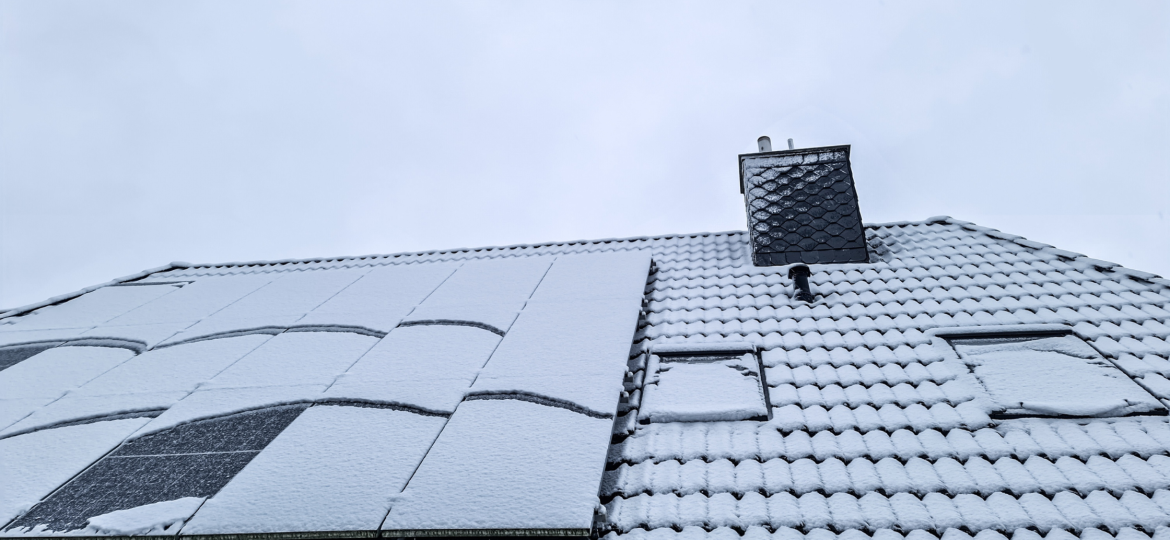
Winter storms introduce one of the most challenging inspection environments for commercial roofs. Heavy snow accumulation, ice dams, and freeze-thaw cycles can force water into roofing systems, often without any immediate interior signs.
By the time leaks appear, moisture may already be widespread.
How Winter Storms Drive Roof Moisture Intrusion
Unlike rain events, winter storms affect roofs over extended periods. Snow sits, melts, refreezes, and migrates.
Common post-storm moisture pathways include:
- Snow melt backing up behind ice dams
- Freeze-thaw expansion opening seams and penetration
- Saturation beneath insulation layers
- Drainage systems blocked by ice or debris
- Subtle membrane displacement not visible from the ground
These issues rarely announce themselves right away. Instead, moisture spreads quietly increasing repair scope, costs, and insurance complexity.
Why Visual Inspections Often Miss Winter Damage
After storms, roof inspections are frequently delayed due to:
- Unsafe walking conditions
- Snow and ice cover
- Limited access
Even once access is possible, visual inspections alone:
- Can’t detect subsurface moisture
- Miss thermal anomalies beneath intact membranes
- Provide incomplete documentation
That’s where many winter-related roof failures begin not with dramatic damage, but with undetected moisture.
The Role of Thermal Drone Inspections Post-Storm
Thermal drone inspections allow roofing professionals, consultants, and property owners to detect moisture patterns once temperature differentials stabilize.
With aerial thermography, teams can:
- Identify moisture trapped below roofing systems
- Map affected areas without “upfront” invasive testing
- Prioritize targeted repairs instead of full replacements
- Create defensible documentation for insurance or warranty claims
Timing matters. Early detection significantly reduces repair scope and long-term degradation.
What Mile High Drones Provides for Winter Roof Assessments
Mile High Drones supports roofing professionals and asset owners with precise, third-party inspections focused on accuracy and documentation.
Our services include:
- High-resolution visual inspections
- Thermal moisture mapping where conditions allow
- Roof-level condition summaries
- Clear, shareable reports for decision-making
Winter Damage Is Often Quiet. Until It Isn’t
Many of the most expensive roof failures begin during winter storms, long before water appears inside a building.
The teams that act early gain clarity, control repair scope, and avoid surprises later in the season.
If you’re evaluating roofs after this winter storm, Mile High Drones provides responsible, data-driven inspections across Colorado and nationwide — helping ensure moisture issues are identified before they escalate.